Family Caregiver Support

Stories and Strategies to Help You Juggle the Challenges of Long-Term Care

  • Home
  • Caregiver News
    • Anti-Immigrant Policies Worsen the Labor Shortage in Home Health Care
    • Stress-Free Senior Caregiving: 4 Tips to Make the Job Easier
    • Should You Plan for Long-Term Care Expenses
    • Financial Tips for Helping a Senior After a Loss
    • Yoga Is an Important Stress Reducer for Caregivers
    • Diabetes Coverage: Tips to Help Seniors Plan Ahead
    • The Do’s and Don’ts of Caregiver Self-Care
    • Resources for Senior Caregivers
  • Book Table
  • About
  • Contact
  • Opt-out preferences
You are here: Home / Archives for Health Care News / Diseases / Alzheimer's disease

Alzheimer’s in the Home: Four Questions to Ask Before Becoming a Caregiver

January 12, 2018 by Lydia Chan

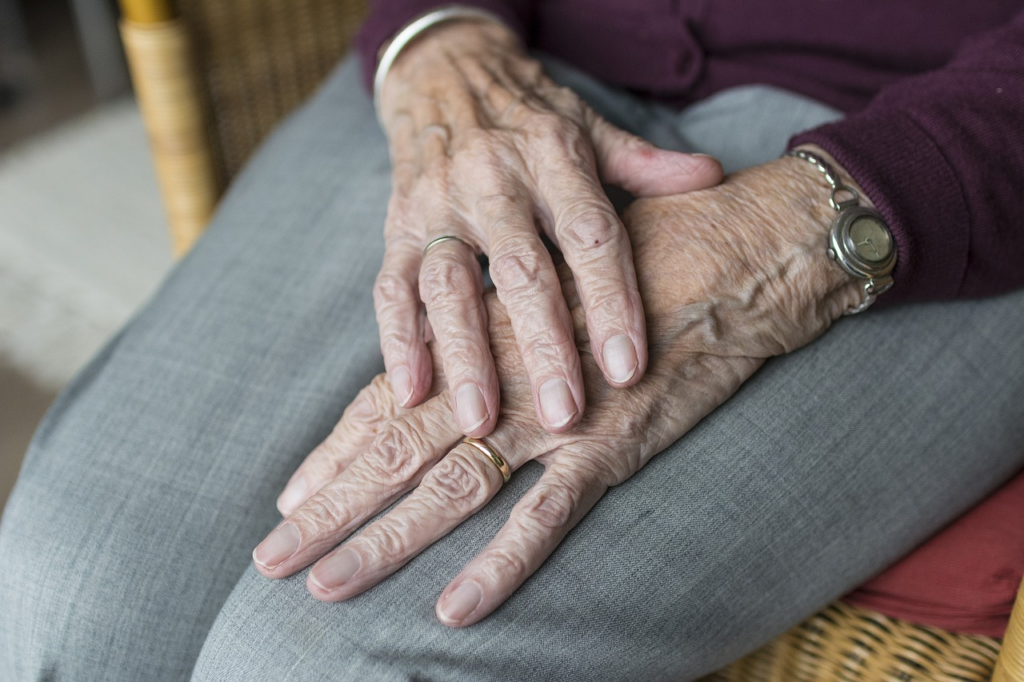
old person's hands
Photo by Pixabay

When a loved one is diagnosed with Alzheimer’s, it’s easy to feel like the world is coming to an end–and in some ways–it is. A lot is about to change, even more if you have decided to provide care for your friend or family member in your own home. Being a caregiver is a challenging, but rewarding responsibility. It comes with a lot of stress, but also a lot of joy.

Here are a few answers to four of the most common, and most important, questions you’re asking if you’re about to become a caregiver for a loved one with dementia.

How can I keep my loved one safe?

A safe home not only provides a sense of calm for you, the caregiver, but also creates a peaceful environment for the person with dementia. As the Alzheimer’s progresses it might prevent someone from being able to recognize and understand potential hazards. To make your home safe and secure, you’ll want to:

  • Lock up medications, chemicals and weapons. Lock doors to rooms that you do not want your loved one venturing into alone.
  • Reduce clutter and keep living areas organized to reduce the risk of tripping or falling.
  • Label rooms and items that the person with dementia will want to use to help them remember location and purpose.

How can I help my loved one be independent?

While Alzheimer’s is degenerative, meaning it can get worse over time, you can slow down the disease’s advancement by keeping your loved one mentally stimulated and empowering their independence. One way to help them help themselves more often is to simplify the home by removing excess choices that make decision-making more challenging. For example, help them keep their clothes in their closet organized by color or style or use. Label foods so they can make their own snack choices when they are hungry. You can also help maintain independence by establishing and sticking to a routine, playing games with simple rules and going out on brief, low-key outings.

How can I help keep my home stress-free?

It’s important that your house is stress-free for both you and your loved one, along with anyone else living in the home. First, remove anything that might confuse, anger or depress the person with dementia. Second, you’ll want to address areas with inadequate lighting, especially in the bathroom or kitchen, where slips and falls are more common. Avoid busy patterns in wallpaper, furniture or decor, which might confuse or agitate them. Consider creating a relaxation room or area where anyone can go to decompress and unwind. Set up comfortable chairs near books or music, hang calming images on walls painted with soft, soothing colors and maybe include an area for meditation, yoga or stretching.

How can I cover all the costs associated with care?

The cost of being a caregiver, from basic home care costs to transitional care services, can quickly add up. However, the good news is that there are many grants that caregivers can apply for to help pay for home modifications, hiring in-home help and purchasing medically-necessary equipment. There are hundreds of resources out there that offer financial help for many disabilities, including caregiving for a loved one with dementia. Some you might want to look into include:

  • Home Instead Senior Care
  • Medicare Benefits
  • BrightFocus Foundation
  • Alzheimer’s Foundation of America

Alzheimer’s, the most common form of dementia, comes with memory loss and behavioral changes, and can get worse over time. One of the most important ways to make this time more manageable, for you and your loved one, is to prepare your home for this new, and sometimes unpredictable, situation.


Lydia Chan is the co-creator of Alzheimerscaregiver.net, which provides tips and resources to help caregivers.
Mother-Daughter Caregiving | In Honor of Mothers’ Day

May 12, 2017 by Marylee MacDonald


Please enjoy this guest post by two writers who’ve addressed the issue of mother-daughter caregiving through fiction and memoir: Diana Y. Paul, Ph.D. and Virginia A. Simpson, Ph.D

Parents are expected to take care of their children, but they usually do not anticipate a future where their children will take care of them. Nor are adult children prepared to take care of their parents. Due to the record longevity of our parents, more and more of us are expected to participate in caregiving. So, anticipate a longer-term, intimate relationship between adult child and aging parent.

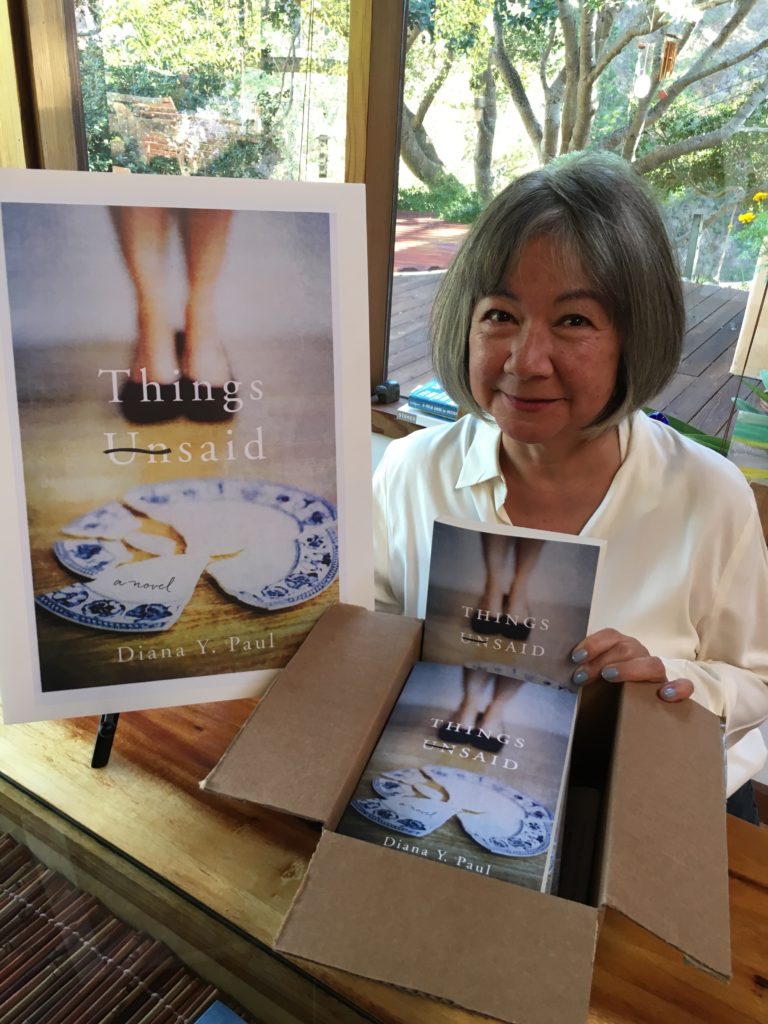
Things Unsaid Diana Y Paul caregiving for parents
Diana Y. Paul’s novel, THINGS UNSAID, plunges readers into the landscape of a daughter coping with buried grievances and parental decline.

We all need to prepare for this eventuality. After years of managing for themselves, parents usually and naturally do not welcome being told what to do. Most of us are—or will face—this role-reversal, and we can’t do it alone.

Fictional Caregiving In Things Unsaid

The challenges of being stuck in the middle and taking care of two families—the so-called “sandwich generation”—are immense and often debilitating. Partly because the family dynamics of one’s youth influences caregiving, caring for one’s parents is much more difficult than caring for one’s kids. Financial and emotional stressors also arise, intensifying the inherent conflict and difficulty of caring both for oneself and for one’s parents.

The theme in our two authorial debuts Things Unsaid (a novel) and The Space Between: A Memoir of Mother-Daughter Love at the End of Life (a memoir) touches upon the all-too-typical dysfunctional family, its dynamics, and what happens in the end: the last chance to make things right. Both books are portraits of the way unresolved issues from childhood and ongoing conflicts complicate the mother-daughter relationship when the daughter becomes the caretaker. Even today, because of tradition, daughters are the ones primarily relegated to the caregiving responsibilities for their parents.

For those with less than loving parent-child relationships, the caregiver’s tasks which require relatively little direct contact with a parent also involve minimal emotional exchange, friction or disappointment.

Assistance with shopping, housework, medication management, and living arrangements are described in Things Unsaid, but the attachment bond between daughter and mother is fragile. Old memories continue, for the most part, beneath the surface. The main character, Jules Foster, is responsible yet emotionally safe. “That’s what a good daughter is supposed to do–love her mother even if her mother doesn’t love her back.” (Things Unsaid)

A Caregiving Memoir: Daughters Caring for Mothers

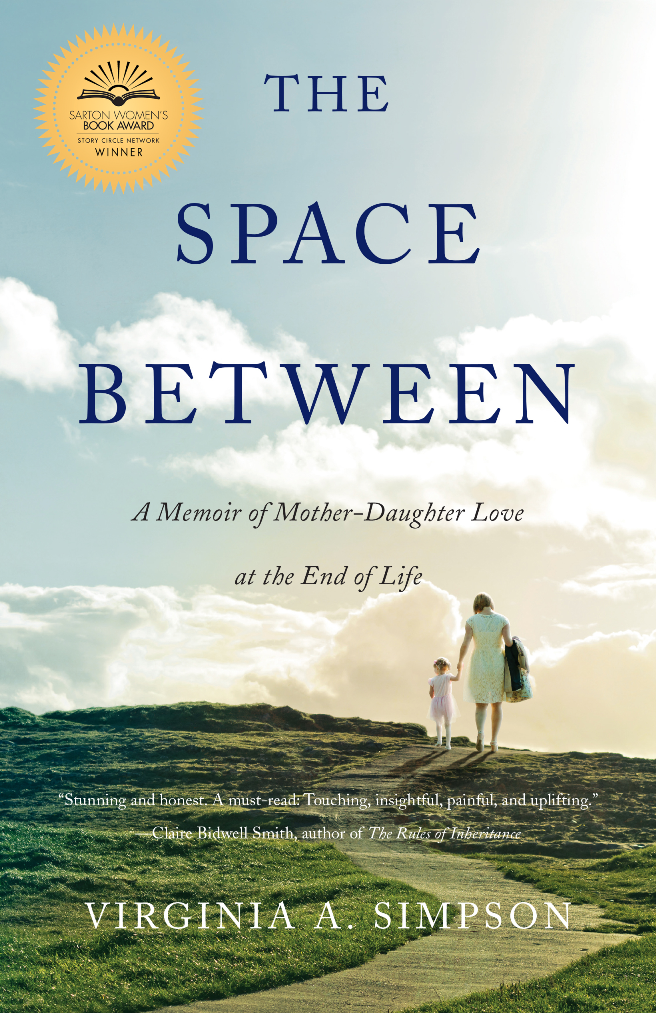
THE SPACE BETWEEN caregiving for mother memoir
Written by bereavement care specialist Virginia A. Simpson, THE SPACE BETWEEN is a memoir about the prickly spaces between a daughter’s obligations to herself and to her aging mother.

In The Space Between the author is the caregiver: “…as a daughter, I would never abandon my mother, no matter what.” And the book’s narrator is diligent in her practical eldercare for a mother who is often unaware of the attention and emotional costs on her daughter. In both books, we see forms of unconscious, psychological damage inflicted by mothers on their underappreciated daughters.

Daughters may be less motivated to invest emotional energy in a relationship that has been unsupportive or painful and whose end may be unremarkable or even a relief. Or, daughters may see this as their last opportunity to heal the relationship.

However, when the power-dynamics shift, long forgotten grievances can play out. In Things Unsaid, we see secrets, lies, and betrayal, most notably, on the part of the aging mother. In The Space Between, we see a nonfictional equivalent—including an almost identical scene when a ring promised to one child is bestowed on another.

Sibling Rivalry

In Things Unsaid, we see how three adult siblings disagree about what to do with their parents. At the same time, the parents are manipulative, pitting one sibling against the others. In The Space Between we see the favoritism towards the half-brother and how the caregiver suffers.

So what is the well-meaning daughter to do? The daughter’s need for her mother’s love and attention isn’t diminished by the mother’s abandonment or dismissal. In Things Unsaid we see little emotional connection overall, and in The Space Between we see a strong, but not always healthy, emotional connection.

Yet in both stories there is a fierce sense of obligation. In Things Unsaid, even at the end, this is never enough nor is it satisfying, while in The Space Between, the daughter finds the reconciliation and love she’d been hoping for her whole life.

The Possibility of Healing

In both books we see the possibility of healing at the end of the mother’s life. Although not always redemptive or forgiving, there is a moving forward towards the future, made possible by the daughter’s letting go of the past. The grown child and her mother have severed the unhealthy dynamic of an earlier time.

While neither of us is advocating any a particular philosophy of caregiving, we feel family education programs that examine interpersonal dynamics before caregiving becomes a necessity could hold the key. These programs offer families an opportunity to discuss caregiving expectations and address discrepancies across generations before they evolve into conflict and regret.

Research that explores connections between emotional and behavioral family patterns will be vital for understanding the difficulties of eldercare.

The stories and themes addressed in The Space Between and Things Unsaid are in all of us. By showing the challenges and victories with brutal honesty, both of our books shine an important light on how we can meet the challenges of role reversal with our sanity and spirit intact.


Authors’ bios:

Diana Y. Paul has a degree in both psychology and philosophy from Northwestern University and a Ph.D in Buddhist Studies from the University of Wisconsin-Madison. Her debut novel, Things Unsaid, won the Beverly Hills Book Award 2016 for New Adult Fiction, the Readers Favorite 2016 Silver Award for Best Fiction, was nominated for a Pushcart Prize, and listed as #2 on Brit.co’s “14 Books about Families Crazier than Yours”. A former Stanford professor, she is the author of three books on Buddhism. She lives in Carmel, CA with her husband and calico cat, Mao. Diana is currently working on a second novel, A Perfect Match, and when not writing, creates mixed media art. Visit her author website at: http://www.dianaypaul.com

Virginia A. Simpson
Virginia A. Simpson

Virginia A. Simpson, Ph.D., FT is a Bereavement Care Specialist and Executive Counseling Director for hundreds of funeral homes throughout the United States and Canada. She is the Founder of The Mourning Star Center for grieving children and their families, which she ran from 1995 to 2005, and author of the award-winning memoir The Space Between (She Writes Press, April 2016) about her journey caring for her ailing mother. She holds a Fellowship in Thanatology from the Association for Death Education & Counseling (ADEC) and has been honored for her work by the cities of Indian Wells, Palm Desert, Palm Springs, and Rancho Mirages. Visit her author website at: www.virginiaasimpson.com

Outsmart Alzheimer’s With These Seven Do’s and Don’ts

November 13, 2015 by Marylee MacDonald

old man with cane Alzheimer's
Those of us with genetic predispositions for Alzheimer’s disease dread that we’ll “turn out like” our uncles, aunts, or parents. We’ve seen the devastation first-hand, and we want to enjoy our senior years, not be a burden to the family.

One of the most difficult things about dealing with Alzheimer’s is the feeling that the loved one is already gone. If we’ve had elderly relatives with Alzheimer’s disease, we know symptoms can begin early, and getting a definitive diagnosis can prove difficult.

Family members must grieve their loved ones long before Alzheimer’s disease enters its later stages. That’s because people living with Alzheimer’s exhibit symptoms which, to those around them, seem like dramatic personality changes.

These symptoms, coupled with the loss of functional capabilities, such as balance and sensory perception, as well as memory impairment, mean that individuals with Alzheimer’s disease and those around them are faced with many changes. Here’s a look at a few dos and don’ts for people with Alzheimer’s disease.

Four DO’s To Help You Cope With Alzheimer’s

DO: Remember that personality changes are caused by the disease, not the individual. This is important for both Alzheimer’s sufferers and their friends and family to remember. It’s easy to get frustrated with symptoms such as agitation, but these symptoms do not define the individual as a person. One thing that might help reduce these negative reactions is exercise. As this article explains, exercise, especially swimming, can help boost mood and reduce anxiety in people with Alzheimer’s.

DO: Try to pinpoint the cause of aggressive behaviors. Often, aggressive behaviors stem from fear. When a person with Alzheimer’s begins to strongly express desires, such as wanting to go home or wanting to go to bed, these situations can escalate into aggression and are often triggered by physical discomfort, poor communication, or environmental factors such as being in unfamiliar locations or surrounded by unfamiliar people.

DO: Offer clear, concrete options. Open-ended questions require a person with Alzheimer’s to not only find the right words to communicate their wishes, but also to use decision-making skills. This combination can lead to frustration. It’s easier for both of you if you offer clear choices between two options. Keep it simple. For example, this piece explains the ins and outs of helping a person with Alzheimer’s or dementia take care of hygiene. If things like bathing and hair washing become a struggle, it suggests you could let the person in your care choose to do one or the other on a given day rather than trying to tackle both.

DO: Plan for visits strategically and limit visitors to one or two people at a time. Planning visits for the times of day when a person with Alzheimer’s is functioning at their best means better communication, less frustration, and a more positive experience overall for all involved. Minimize other distractions by turning off the television or radio and asking non-visitors to go to another room so that the environment is calm and quiet.

Three Don’ts To Keep Alzheimer’s From Adding To Your Stress

DON’T: Ignore a person with Alzheimer’s disease. If you’re not used to being around someone with Alzheimer’s disease, you might feel uncomfortable or unsure how to communicate. But the worst thing you can do is ignore their presence. Treat them with the same respect you’d treat any other human being. While they may not be able to remember everything perfectly and may lose words from time to time, people in the early stages of Alzheimer’s disease are able to communicate quite well.

DON’T: Set unrealistic goals. When a person has Alzheimer’s disease, their abilities change gradually over time. It’s important for both the person suffering from Alzheimer’s and their caregivers to be flexible and adapt to these changes, which may mean adjusting expectations – about both what the Alzheimer’s sufferer can do and what the primary caregiver is able to do for them.

DON’T: Ever argue with someone with Alzheimer’s disease. Experts say that it’s not necessary for a person with Alzheimer’s disease to always be grounded in reality. Because they may forget important events, such as the death of a parent, they may speak as though their parent is still living. Correcting these statements can quickly escalate to an argument, which offers no benefits to anyone and, in fact, can increase stress and feelings of anger and frustration.

Over time, family and friends of a person with Alzheimer’s adapt to personality changes and other symptoms, learning what to do and what not to do during daily activities and general communication. These dos and don’ts help to maintain a positive relationship and minimize stress for both the Alzheimer’s sufferer and their family and friends.

Pros and Cons of Genetic Testing

November 17, 2014 by Marylee MacDonald

If you’re worried about inheriting a disease with a genetic component, testing can ease your mind, but it’s not something to undertake lightly. Neurological diseases that have a genetic component include familial ALS, early onset Alzheimer’s, and Huntington’s Disease. Of these, only Alzheimer’s and Huntington’s have tests can give you a better sense of your odds.

Neurological diseases may have a genetic component. Should you get tested?

The Test for Early Onset Familial Alzheimer’s Disease
If you want to learn more about the pros and cons of getting tested, there’s no better place to look that the Alzheimer’s Forum. http://www.alzforum.org/early-onset-familial-ad/diagnosisgenetics/genetic-testing-and-counseling-early-onset-familial Research on this disease can tell you the likelihood that you might get it, but it cannot say with 100 percent certainty whether you will or not. For more on this issue, check out this useful fact sheet by the NIH. http://www.nia.nih.gov/alzheimers/publication/alzheimers-disease-genetics-fact-sheet

The Test for Huntington’s Disease
Genetic testing for Huntington’s Disease can tell you for sure if you will get the disease. That new can either ease your mind, or be devastating. Captured on National Public Radio’s “This American Life,” host Ira Glass says in his preface, “Act Two. What are you doing for the test of your life? The woman in this next story is waiting on a piece of paper that– I think it’s not an exaggeration to put it this way– is going to determine how she will spend the rest of her life. The paper that she’s waiting on is a test result–a genetic test–for Huntington’s disease.”

This is one of the most powerful radio shows I’ve ever heard. Listen to the audio because it truly conveys the anxiety of the young woman even more powerfully than the transcript does.

ttp://www.thisamericanlife.org/radio-archives/episode/509/it-says-so-right-here?act=2#play

Though I heard the program on NPR, it was originally produced by WYNC, and you can listen to their production here. http://www.wnyc.org/story/dna-secrets-what-you-want-know/

A War Correspondent Considers Fatherhood and Huntington’s
Another eye-witness account can be found in this interview with war correspondent, Charles Sabine. He says that 90 percent of Americans with a family history of Huntington’s don’t get the test because they don’t want to know. http://kuow.org/post/charles-sabine-genetic-testing

Should You Get Tested or Not?
That is a question everyone with a potentially inheritable disease will have to answer individually. There are kits on the internet that allow certain kinds of genetic testing for other inherited diseases or genetic abnormalities, such as those carried by those of Askenazi Jewish heritage, but though the test kits are readily available and inexpensive, a genetic counselor is a must.

Next Page »

Book title plus a snowy scene showing a mother and daughter walking up a hill in Vermont
If you like literary fiction where even the characters’ best intentions may not be enough to bridge the gap between them, you’ll love Montpelier Tomorrow.

Recent Blog Posts

  • To Move or Not to Move: The Question Worth Asking Before a Crisis Answers It for You July 5, 2026
  • Letting Go: How to Clear Out Your Home After You’ve Decided What’s Coming With You June 23, 2026
  • What Actually Fits: A Room-by-Room Guide to Downsizing into a Senior Apartment June 9, 2026
  • How to Balance Work, Life, and Senior Care Without Losing Yourself June 2, 2026
  • How to Actually Take Care of Yourself When You’re Too Busy Taking Care of Everyone Else May 6, 2026
  • Avoiding Burnout: Support for New Caregivers February 13, 2025

Featured Books

God’s Gift Within: The Story of the Joshua Quilt

God’s Gift Within: The Story of the Joshua Quilt
Buy This Book Online
Buy from IndieBound
Buy from Barnes and Noble
Buy from Amazon Kindle
Buy from Amazon
God’s Gift Within: The Story of the Joshua Quilt
Buy now!

A Chance to Say Goodbye: Reflections on Losing a Parent

A Chance to Say Goodbye: Reflections on Losing a Parent
Buy This Book Online
Buy from Barnes and Noble Nook
Buy from Barnes and Noble
Buy from Amazon Kindle
Buy from Amazon
A Chance to Say Goodbye: Reflections on Losing a Parent
Buy now!

The Space Between: A Memoir of Mother-Daughter Love at the End of Life

The Space Between: A Memoir of Mother-Daughter Love at the End of Life
Buy This Book Online
Buy from Barnes and Noble
Buy from Amazon Kindle
Buy from Amazon
The Space Between: A Memoir of Mother-Daughter Love at the End of Life
Buy now!

Bonds of Love and Blood

Bonds of Love and Blood
Buy This Book Online
Buy from IndieBound
Buy from Amazon Kindle
Buy from Amazon
Buy from Barnes and Noble Nook
Buy from Barnes and Noble
Buy from IndieBound
Bonds of Love and Blood
Buy now!

Archives

© Marylee MacDonald | All Rights Reserved.
Manage Cookie Consent
To provide the best experiences, we use technologies like cookies to store and/or access device information. Consenting to these technologies will allow us to process data such as browsing behavior or unique IDs on this site. Not consenting or withdrawing consent, may adversely affect certain features and functions.
Functional Always active
The technical storage or access is strictly necessary for the legitimate purpose of enabling the use of a specific service explicitly requested by the subscriber or user, or for the sole purpose of carrying out the transmission of a communication over an electronic communications network.
Preferences
The technical storage or access is necessary for the legitimate purpose of storing preferences that are not requested by the subscriber or user.
Statistics
The technical storage or access that is used exclusively for statistical purposes. The technical storage or access that is used exclusively for anonymous statistical purposes. Without a subpoena, voluntary compliance on the part of your Internet Service Provider, or additional records from a third party, information stored or retrieved for this purpose alone cannot usually be used to identify you.
Marketing
The technical storage or access is required to create user profiles to send advertising, or to track the user on a website or across several websites for similar marketing purposes.
  • Manage options
  • Manage services
  • Manage {vendor_count} vendors
  • Read more about these purposes
View preferences
  • {title}
  • {title}
  • {title}