Family Caregiver Support

Stories and Strategies to Help You Juggle the Challenges of Long-Term Care

  • Home
  • Caregiver News
    • Anti-Immigrant Policies Worsen the Labor Shortage in Home Health Care
    • Stress-Free Senior Caregiving: 4 Tips to Make the Job Easier
    • Should You Plan for Long-Term Care Expenses
    • Financial Tips for Helping a Senior After a Loss
    • Yoga Is an Important Stress Reducer for Caregivers
    • Diabetes Coverage: Tips to Help Seniors Plan Ahead
    • The Do’s and Don’ts of Caregiver Self-Care
    • Resources for Senior Caregivers
  • Book Table
  • About
  • Contact
  • Opt-out preferences
You are here: Home / Home

Yoga Is an Important Stress Reducer for Caregivers

January 31, 2022 by Marylee MacDonald

Despite what you might believe, yoga’s growing popularity isn’t limited to the young. Older adults are increasingly turning to yoga and meditation to find relief from stress and pain and restore physical function. Yoga and meditation have proven especially valuable for family caregivers, who face physical and mental health challenges that far exceed the norm.

woman in a yoga pose
Homebound caregivers can get stared with yoga by attending virtual yoga workouts through the YMCA’s SilverSneakers program.

The Challenges of Caregiving

Health problems are often common among family caregivers. Informal caregivers frequently neglect their own health while caring for a loved one. While carrying out their caregiving duties, they often face high levels of stress and find it hard to make time for themselves. Heightened stress is manageable in short spurts, but many caregivers stay in that role for several years. Self-neglect isn’t sustainable in the long-term, and mental and physical health problems frequently emerge. Statistics from the Family Caregiver Alliance show just how serious the caregiver health crisis is.

Caregiving is difficult for the person receiving care as well. Losing independence is painful, and many seniors struggle to cope with the change. This leads to depression, anxiety, and apathy in many chronically ill and disabled seniors. On top of the emotional strain, care recipients must cope with physical limitations, also a stressor.

Why Yoga and Meditation?

Yoga and meditation are highly effective at relieving stress. Practicing yoga requires minimal resources. This makes yoga and meditation ideal for seniors and caregivers. Both face high levels of mental strain, but often lack the money or time for a formal fitness program.

Yoga can be practiced three ways.

  • while lying on a yoga mat (If you have trouble getting up and down from the floor, start with one of the other options);

  • while seated in a chair or wheelchair;

  • or while walking.

No matter what your fitness level or flexibility, yoga will help restore your tranquility. Individuals who practice yoga and meditation feel calmer. They also learn important coping mechanisms that can restore the mind/body connection. Yoga improves physical symptoms by building strength, flexibility, and balance. It may even alleviate chronic pain.

Yoga and meditation have less obvious benefits too, especially for elderly practitioners. Yoga and meditation aid in the release of muscle tension, easing problems like teeth grinding and jaw clenching. This is important for older adults, who are more prone to pain and dysfunction in the temporomandibular joint. By relieving symptoms of stress and depression, yoga and meditation improve seniors’ executive function so they stay on top of self-care habits like dental hygiene.

Yoga and meditation benefit gut health as well. Researchers are still learning how gut health influences the body, but what they do know is this: Gut health affects more than digestion. A healthy gut plays an important role in our sense of well-being. On top of eating a healthy diet, regular exercise and stress management are some of the best ways to improve gut health — and a happy gut, in turn, promotes a sound mind.

Yoga and Meditation Tips for Beginners

Despite their many benefits, yoga and meditation are frequently absent from self-care routines. Caregivers and seniors may believe yoga and meditation are too difficult, or they may simply be unfamiliar with the practice. After all, we did not learn how to practice yoga in our high school physical education classes. However, it’s never too late to learn.

Take Advantage of Your SilverSneakers’ Benefit

Many new practitioners choose to practice yoga and meditation at home. That’s an excellent option, especially for seniors who are homebound. However, beginners to yoga and meditation benefit greatly from instruction, and if you’re a senior, it’s easy to get started. Many Medicare Advantage plans offer seniors eligibility to the SilverSneakers fitness program. This benefit grants seniors membership to gyms and YMCAs around the country.

Even better, however, SilverSneakers has live classes and workouts you can watch from home. Even if you’ve never tried yoga before, this is a perfect place to start.

Tips for Newbies

These tips will help new practitioners get started in yoga and meditation.

  • Find a quiet place to practice. Yoga and meditation don’t require a lot of space to practice, but they do call for a distraction-free environment. Designate a room or corner for yoga, clearing out the clutter and decorating with dim lighting, media for music and instructional videos, and yoga equipment. Set up an iPad or laptop so that you can see the screen.
  • Make yoga a daily practice. A few minutes of yoga or meditation set a positive tone for each day. Consistency is also the best way to form a habit.
  • Use props and adaptations. Balance and alignment are more important than completing a pose exactly as it’s shown in videos and books. Props and adaptive strategies such as chair yoga allow beginners and people with physical limitations to gradually increase their range of motion and avoid injury.
  • Remember to breathe. Breath control is central to both yoga and meditation and is key to reaping their stress-relieving benefits.
  • Accept that stress is part of life. With all this talk about reducing stress, we sometimes forget that a little stress isn’t necessarily a bad thing–so long as we manage it properly. ZenBusiness points out that a small amount of stress can even be a positive motivation toward creativity and focus, so long as we don’t allow stress to take on a life of its own.

The Do’s and Don’ts of Caregiver Self-Care

November 9, 2021 by Marylee MacDonald

As a caregiver, your primary goal is to ensure the well-being of someone you love. But to do this effectively, you also have to prioritize caring for your own needs. As a nod to yourself, make a point to remember the do’s and don’ts of self-care.

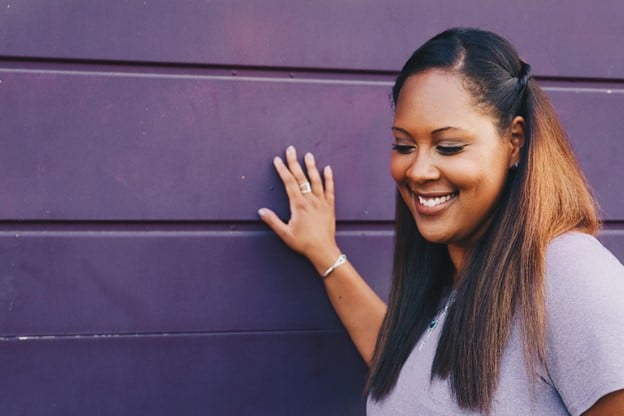
woman standing by house
Caregivers and the people they are caring for are both better off when the caregiver takes time for self-care. (Image via Unsplash)

Do: Work Your Mind

Your mind and body are intricately connected. If you want to have a healthy body, you have to prioritize your brain. When you were little, you gave your mind a workout by doing things like playing with dolls and putting together puzzles. Now that you are older, you have other tools at your disposal. Brain training software like Cognifit and BrainHQ, along with off-line activities, such as traveling and learning a new hobby, can improve your cognitive abilities.

Don’t: Forget About Your Body

Keeping your mind active is only part of the exercise puzzle. You also have to put your body in motion. This is much easier said than done, however, when you devote the majority of your time to someone else’s needs. The AARP suggests keeping your exercise routine simple and writing down your fitness goals. This can encourage you to stick to your workout.

Many people find that a smartwatch can be instrumental in helping them achieve their fitness goals and monitoring progress. In an ideal world, you might strive for 10,000 steps a day. If you’re using your smartwatch for fitness, be sure to pair it with an attachable armband and a sturdy and easy-to-use watch band. As anyone who has been a caregiver recognizes, it’s not always possible to leave the house. In that case, marching in place or climbing up and down the stairs can give you that all important cardio exercise.

Do: Check Your Gut Health.

Fitness. Check. Brain health. Check. What you might have missed while working out and flexing your cranial capacity is the health of your gut. Your abs may be toned, but just behind your belly in your gastrointestinal tract lives a universe of bacteria. This is your microbiome, and according to Time, it contains microorganisms that do everything from controlling inflammation to putting you at a greater risk for diseases like multiple sclerosis and diabetes.

yogurt and blueberries
Blueberries are great anti-oxidants, and Greek yogurt can give a boost to the “good” bacteria in your gut.

Fortunately, our gut bacteria are largely dependent on nutrition. You have to eat foods that encourage healthy bacterial cultivation. This includes things like Greek yogurt and sauerkraut. If you don’t like these foods, you can always add a multivitamin to your diet that contains polyphenols. A multivitamin can also improve your energy level and the overall appearance of your skin.

Don’t: Live Off Fast Food

There are so many reasons that fast food is bad for you that it would be impossible to cover them all in this article. However, what it comes down to is that processed foods, especially those that contain tons of trans fats, put you at risk of obesity and, surprisingly, nutritional starvation. A daily cheeseburger might increase your risk of cancer and can undo all of the good work you’ve done training your brain. That’s not to say that you can’t enjoy a milkshake every now and then, but do not make drive-through dinners or frozen foods part of your daily diet.

Do: Take Some Time for Yourself and Don’t Feel Guilty About It!

Whether you are caring for an infant, a disabled sibling, or a parent with Alzheimer’s, you have to make time for you. There are other people in your life, and you owe it to yourself to spend time with them, as well as with yourself.

Time alone can help you break away from stress and anxiety, and this can turn you into a better caregiver. Unfortunately, getting away is often the most difficult aspect of self-care for many caregivers. It is easy to feel guilty when removing yourself from your responsibilities, even though you know it is temporary and for the best. Keep in mind that although availability is limited, there are respite care programs in most major cities. You can always ask for help from friends and family or find a caregiver to step in while you step out.

You have a difficult job, and you are giving another human being the greatest gift it’s possible to bestow–your time. Caring for another is truly a labor of love. Show yourself some love by engaging in self-care. And remember, the things you do for yourself will benefit everyone.

Helping Senior Parents Downsize

May 6, 2021 by Marylee MacDonald

Most of us want to see our parents grow old in the family home. Not only because it’s full of warm memories, but because it’s easier, too. Staying put may mean installing a ramp and making a few other little changes, but it doesn’t involve fixing up an aging home or making a difficult transition with parents who’d rather not move.

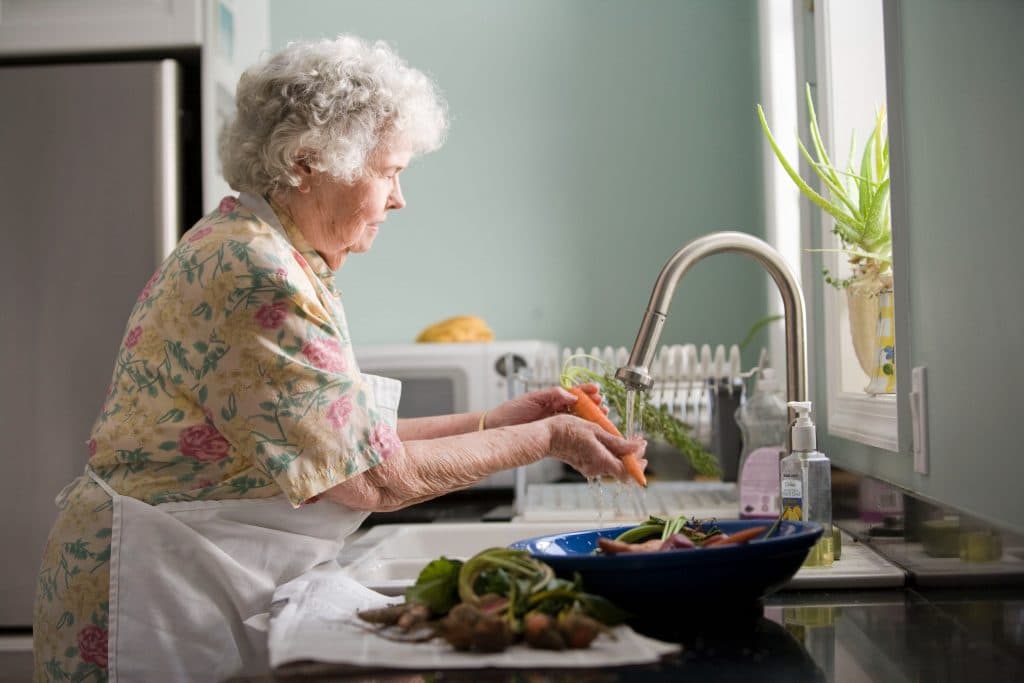
Even a small kitchen can be a light and bright place to prepare a healthy meal. Photo by CDC on Unsplash

Unfortunately, not all homes are suited for aging in place. Whether a home has too much square footage, a high-maintenance landscape, or staircases that grow more treacherous by the year, there are some home features you simply can’t remodel around. When that happens, downsizing to a smaller home is the best solution. As you prepare to begin a house hunt, Marylee MacDonald shares the following resources to ensure the process goes smoothly.

Planning Ahead: What to Consider Before the Move

Downsizing is a major life decision. Your parents and you will need to carefully consider their future needs and finances before going ahead. Even someone who is in good health in their seventies can anticipate that their eighties will bring changes in mobility.

  • How to help an elderly loved one downsize.
  • 4 best arguments to convince your parents to downsize.
  • What should I consider when buying a house at age 60 or above?

What to Look for in an Age-Friendly Home

If your folks decide to age in place, they’ll need to find a home with senior-friendly features, or they’ll need to hire a contractor to make modifications. Won’t that be a hassle?

Not necessarily. Planning for a new living space and working with someone who can help them implement their plans can be a fun adventure. Even with less square footage overall, or with a one-story home instead of a two-story with a basement, a well-planned living space can provide all the functionality of a much larger space. Living in a home with less upkeep means they’ll have time for activities they truly enjoy. And, if the move means they’ll be able to live closer to their grown children and grandchildren, then that new house can provide a kind of “social insurance” that will add security to their future years. No longer will they have to worry if a health crisis means one of their kids will have to make a flight across country to assist.

  • The right house for you for aging in place.
  • 10 things to look for when buying a house.
  • Finding the perfect home for your senior years.

How to Budget for a Downsized Home

Most people of retirement age purchased a home thirty or forty years ago. Retirement means they’re living on a fixed income. They may not want to get tied down with another mortgage. Selling their existing home prior to purchase is one way to avoid that. Before purchasing a home,  your parents–and you, if you’re going to help them–must fully grasp the financial implications of downsizing. A good place to start is with making a spreadsheet of monthly expenses and income.

  • Know how much home you can afford.
  • How much will you spend in retirement?

What to Do with Everything You Can’t Take

Deciding which items to keep, donate, give to family, or throw away can be both an emotional and liberating process. But most families have already furnished their homes according to their own tastes. Planning for an estate sale is one way to deal with de-acquisitioning. But, organizing the sale, physically handling the display of items to be sold, handling the money, and so on, will be physically exhausting. One option is to hire an estate agent. To find one, you can cruise the garage sales advertised in your area or find an Estate Sale Company by searching online.

  • Decluttering the nest: Helping your adult children (and you!) to move forward.
  • Tips for effectively staging an estate sale.
  • Organizations that offer donation pick up for items you no longer want.

Helping your senior parents move into a downsized home is a major undertaking. However, in exchange for your short-term effort, you’ll gain long-term peace of mind knowing that your parents are living in a home that puts their health and well-being first. If they put off downsizing and don’t start decluttering when they’re in good health, they face a long-term risk. A health crisis could send one or both to a nursing home. Then, the burden of sorting through decades worth of possessions will fall to the adult children.

A Kids’ Book about a Traffic Jam (in your arteries)

March 7, 2020 by Marylee MacDonald

Cate Munene Moriasi (Cate) and Kathleen Coughlan (Kate) are the authors of Atherosclerosis Attack: Traffic Jam in Your arteries, a book that follows the adventure of two cousins whose mission is to teach middle schoolers about atherosclerosis, the underlying cause for most heart-related deaths. Cate has educational degrees in food science, part of which focused on the chemistry of food and how various food components affect the body. She also had postdoctoral training in the area of dietary prevention of disease. She left a laboratory research career to take care of her two children and focus on science communication, and this new book is one way of “giving back.”

A fun book for kids learning about an important subject–protecting their own health and the health of their loved ones.

MM: A book begins as an idea in the writer’s imagination. Eventually, this grain of sand turns into a pearl. What was the grain of sand that fired your imagination?

CMM: My then eight-year-old son became inquisitive about my atherosclerosis research. I explained it to him, and I was surprised that he was able to understand. He was able to say the big word, “atherosclerosis” and then he said, “I don’t want atherosclerosis.” At that point I realized that it was possible and beneficial to communicate information about atherosclerosis to children, like my son, at an impressionable age. This book project came together when Kate said, without knowing my interaction with my son, that she would like to communicate science in a fun way to children.

MM: Normally, the subject matter you’re writing about would be of interest to older readers—folks who’ve been told they had heart issues. What inspired you to aim this book at a younger demographic?

CM: Our long research hours made it clear that when it comes to chronic diseases, prevention is your best bet. Atherosclerosis doesn’t develop overnight: it develops over a lifetime. According to the American Heart Association it may start in childhood, even though it doesn’t become dangerous until later in life. By that time, it is established and very difficult to get rid of. No wonder it is responsible for so many heart-related deaths!

I had not thought of writing a book of this kind aimed at younger children until my son saw images on my computer and asked what they were. I explained that they were pictures showing atherosclerosis in blood vessels of mice. Of course, the response was, “What? What did you say?” So, we had to work on that big word. I was surprised that he kept asking questions and wanting to know more. I ended up explaining how the nice-looking blood vessels were from mice that I had fed fish oil and the not-so good-looking blood vessels were from mice that I had given the unhealthy food. He asked if that could happen to people and I told him, “yes.” When he said he didn’t want atherosclerosis in his blood vessels, it dawned on me that an eight-year-old had understood something which I would never have expected him to understand. And, somehow, Kate was already toying with the idea of communicating science to children, and here we are today.

We realized that instead of shielding children from knowledge that may actually affect them in their future lives, we needed to communicate the science in a fun way and let them have a choice, especially because prevention is key, and the earlier you start the better.

Kate and I believe that knowing and learning the word atherosclerosis and what that word is all about would make the Latin-sounding word less intimidating. Our hope is that this would get children interested in making simple daily choices that can keep atherosclerosis at bay and reduce the burden of the associated chronic diseases later in life.

MM: What’s the payoff if kids incorporate this information early?

CMM: Children at this age are still impressionable and are learning to make informed decisions. By writing a book aimed at this younger demographic, we want to provide them with information when simple choices can pay huge dividends later in life. This would allow them to adopt preventative lifestyles that have the potential to remain with them for a lifetime.

We couldn’t write a book for folks who have been told they have heart issues because at that point they have to be proactive about dealing with those issues. We also did not think it made much sense to write a book for adults. In this day and age most adults know enough about what they need to do to safeguard their health, and most have not been successful at getting their children to make the same healthy choices. But children can be influenced to choose prevention early on, instead of after they begin to feel the cumulative effects of their long-term unhealthy habits. We have written a blog post explaining why we believe that Atherosclerosis is a big word worth knowing.

MM: Do you hope that parents and grandparents will order this book for their younger loved ones?

CMM: That is a definite YES. Our book is intended to help parents, grandparents and other caretakers simplify the battle of getting their younger loved ones to learn to make good decisions for their bodies. Every parent or caretaker has experiences that have made this issue a success or an ongoing battle. In fact, I remember a friend telling me that she wished there was a way her daughter could know what sugar really does to her body. I’m not sure why in this day and age, “mom said so” doesn’t hold as much weight as it used to, but at this point it seems like we need to give our children the “why” behind the things we ask them to do.

MM: Oh, yes! How many times, as parents, have we heard the word “why,” often in connection with “Why can’t I do/ have x, y, or z.” You’re right that kids don’t accept the answer, “Because I said so.”

CMM: That is where our book comes in. It answers the “why” using a story, in a way that isn’t lecturing but allows children to discover for themselves through this story how their choices affect a real disease and what they can do about it. For my children, I don’t just say a plain “it’s not good for you,” knowing what the body does with whatever they put in it has made it easy to understand why the road to pizza or macaroni-and-cheese should go through a bed of broccoli. It is no longer an argument; we give them options to choose right for their bodies while they reward their taste buds with what they call the “good” stuff.

MM: Ah, yes. The endless dinner negotiations! I’ve seen that with my grandchildren.

CMM: Since children like to be in control, our book is meant to empower them to be actively involved in safeguarding their own health and developing healthier patterns at an early age. But children cannot do this alone. For one, they can’t buy our book themselves. It is our hope that parents and children can discuss healthy living in a fun way that leads to a better lifestyle for both kids and parents. We want to encourage parents to form partnerships with children, partnerships based on knowledge that will help the children take a stand against preventable chronic diseases. We hope that everyone with a child in their care will obtain a copy of Atherosclerosis Attack and start working to help them see why and how they can make simple choices to avoid or delay the pitfalls of a heart attack later in life. We are also working on a facilitator’s guide to accompany our book. Our blog is also meant to share practical ways that can make this process easier.

MM: How did you approach turning this idea into a manuscript, and eventually a book? Did you take classes, read books, or just plunge in?

CMM: Well, it was more like just plunging in at first. When Kate and I decided that we had a great idea and we needed to pursue it, we dove in with excitement and started writing. We thought to ourselves, how hard could that be? We read quite a number of children’s books, blogs and books on writing. It wasn’t long before we realized it was much harder than writing the scientific papers that we had been accustomed to. When we gave our cleaned-up draft to family, friends and colleagues, most of these lovely people looked for good ways of telling us that “Yes, you have a great idea, but, oh dear, it needs quite a bit of re-working.”

We sought help from writing programs around the Oklahoma City area and it was great when the director of the Red Earth program of Oklahoma City University put us in touch with an experienced editor, publisher, and writer. The editor got right on it, reviewed our work and gave us feedback that was tough to hear but essential in moving our project forward. One thing we knew, and we also heard consistently, was that our idea was excellent, so we decided to seek Writer’s Digest 2nd Draft Critique Services. They reviewed our manuscript and once again said, “excellent idea. But there is no way your target audience is going to read this research paper.

MM: Bravo for you taking this as constructive criticism! A lot of folks would have given up at that point.

CMM: Yes, but what they said was so obviously true, that we couldn’t ignore the advice. We needed to flip this whole write up and craft a story sprinkled with science. We came to realize that we had written “science sprinkled with story.” It was a challenge to flip that, but we re-wrote and continued to work with the Draft Critique Services until we were confident that our manuscript was ready.

The process of finding a publisher of children’s books was long, and it was a blessing when we signed a contract with All Things That Matter Press (ATTMP). Philip and Debra Harris, owners of ATTMP, made our experience of turning our manuscript into a published book on December 26th 2019 a great one. 

MM: What a great Christmas present that must have been, and a thrill to open your first box of books! Getting back to the subject of the book though: It’s a serious subject, something we all need to pay attention to. When did you first realize that for a younger audience, you needed to make this fun?

CMM: Right at the get go. We gave a lot of thought to the word atherosclerosis because it is a big word and, in the process, we also realized that kids can learn big words if given reasons to. I can remember several times when I had to ask my young child to repeat a word because I had no idea what he or she was saying. For example, my son loved transformers and even as a five-year-old he was saying things like, “Mommy, that is a Decepticon. He is bad.” Decepticon is a big word for a 5-year-old, but children learn to comfortably say these words because they are interested in them.

With this in mind, we started thinking of what we needed to do to make children interested in learning and knowing the big word atherosclerosis. And that’s when we decided that we needed to write a story about atherosclerosis. And the way the process of atherosclerosis plays out in real life is very much like a battle. Based on that, we worked on writing a story that children can identify with and learn in a fun way about a real disease and what they can do about it. We knew we had to give them a reason to be interested in knowing this word – it had to be fun.

MM: Authors today have many options when it comes to publication. Did you work with an agent, find a publisher through other means, or self-publish your book?

CMM: Our book was published by All Things That Matter Press and, no. we did not work with an agent. The first editor, introduced to us by the director of Red Earth program, sent us a link to Author’s Publish magazine. Authors Publish Magazine does a great job compiling a list of publishers and giving information about how each of those publishers operates. I subscribed to their free weekly magazine and started sending applications to traditional publishers of children’s and young adults’ books that did not require an agent. I attended a seminar about the publication process put on by Mustang Public Library. I had an opportunity to understand the process a little more, and then we decided that we would seek a traditional publisher. However, if we did not get one by the end of January 2019, we would start looking into the self-publishing process. Thankfully, before the end of January we signed a contract with All Things That Matter Press.

MM: What was it like to collaborate with each other on creating this book? Did it make it easier to get the book written?

CMM: Collaborating with Kate was great and it continues to be. Kate and I are first and foremost friends who care about each other. We had worked together on projects before and knew that we had kind of the same standard in terms of wanting nothing less than an excellent product. We met several times in the beginning to discuss, and at some point, we had to check into a hotel so that we could spend the weekend solidifying our plan and story line. After that, we would write and send each other our write ups, and if we did not agree on something, we did not shy away from discussing that openly.

Collaboration definitely made our book stronger. We were writing a fictional story about a very real disease, and we had the advantage of checking each other to make sure that our fictional story remained accurate regarding the disease. We are both scientists, but it is a great advantage that Kate is still actively involved in academia as a college professor of anatomy and physiology.

MM: What would you advise others who are still at the idea stage, but who might want to write a book for their children or grandchildren?

I would advise them to stick with it and write what they have in mind, and then use available resources to get some feedback or constructive criticism that would help them solidify their idea. Working with Writer’s Digest 2nd Draft Critique Services was very beneficial to us in terms of guidance, so that we could turn our idea into a story that would appeal to our target audience. We found it essential to seek help, and all the reviews, including the ones we got excited about and the ones we didn’t want to hear about, were very useful in helping us create a page-turning book.

The main point is don’t give up, but get feedback from sources you trust. Also find information and learn the process. Attending the seminar about the publication process was an eye opener. That made it possible for us to get the most out of the Authors Publish magazine, which I would advise any upcoming author to subscribe to.

MM: Was it hard to decide on a cover, or did you or your publisher hire a professional designer?

CMM: Our publisher, All Things That Matter Press, asked us for ideas about the cover. We sent them our ideas, and they also put forth a couple of cover concepts for us to consider. We liked the two concepts, but Kate and I ended up not choosing the same one. So, we decided to ask our family members and friends, and most voted in favor of the current cover of the book. I’m the one who had selected the one that was not used, so I sat with Kate and we analyzed why one seemed to be more appealing than the other. We had a few questions for our editor, and once those were addressed, we were really pleased with the way the cover turned out. Our publisher really did a great job, and that made the process of deciding on a cover quite easy.

MM: Who is your ideal reader? What age range would particularly enjoy your book/s?

CMM: We targeted our book to middle school children. However, because children at this age have gatekeepers who would greatly influence what they read, we had moms, dads, grandparents, librarians and teachers read our book just to get their take on the appropriateness of the book to children in that age group. Most of these adults enjoyed the book, and we received feedback that even adults could benefit from the book.

Just to reiterate what I said earlier in response to other questions, we targeted our book to middle schoolers because children at this age are still impressionable and are learning to make informed decisions. My middle schooler asked me after he disagreed with the decision I had made, “When can I start making my own decisions?” My answer, “You make several decisions every day, for example whether to obey or not to obey, even when you know the consequences, and I want you to make more and more decisions. But I will make the decisions when I know that you don’t have enough information or you are not able to comprehend the consequences of the decision you want to make.”

MM: What a terrific response. Hearing that, kids will know exactly where they stand.

CMM: The aim of our book is to give these middle-schoolers, most of whom can’t wait to feel in charge making their own decisions, information that they need to choose right for their bodies. And they get this information through an enjoyable story that they can identify with.

Will this make them excited about choosing to add vegetables to their plate or having to get out of the house to ride their bicycle? Probably not, but it makes my job easier when I have to add vegetables to my children’s plate or ask them to put down the electronic gadget and go outside. Also, our book just builds a little more on the science that they are already learning about in school. For example, these kids are learning about how body systems work, and this is vitally important in our book. It gives them an opportunity to see how this science plays out in real life situations and how choices they make can influence the function of these bodily systems. Our hope is that this would be as fun and empowering for them as it was for the characters in the book.

MM: How do you connect with readers? Are you getting the word out by doing live events, such as book fairs or library talks, or have you found readers through social media, Goodreads, or Amazon?

CMM: So far our main avenue is social media, but we are also members of the Society of Children’s Book Writers and Illustrators (SCBWI), and that comes with benefits. We have listed our book in the SCBWI Online Bookstore, listed our blog, and we are planning to participate in an OKC-PAL Work Session. This session is meant to help us prepare materials to be used in Read Local OK, after which we plan to be included in SCBWI Speaker’s Bureau which is a “searchable collection of authors and illustrators available for school visits and is used by teachers and librarians around the world.”

One major project we are currently working on is a facilitator’s guide to accompany our book. This project was birthed when the director of BlueSTEM AgriLearning Center in El Reno read our book, loved the idea and put us in touch with science educators from El Reno. They also loved our book and believe it can be a valuable resource for middle schools.

MM: What has been your greatest reward in undertaking this publishing journey?

CMM: It has been great seeing our message in print and available to others. One thing both Kate and I learned from our years of research in chronic diseases was that prevention is key. Prevention of chronic diseases is dear to our hearts, and to see that we have been able to get this message in print is truly rewarding. Now we just need to work on ensuring that the message reaches all the people that we believe will benefit from it and choose a preventative lifestyle.

MM: Thanks so much for sharing this with our readers. I’m going to steam up some broccoli for dinner tonight! Even at my age, an ounce of prevention is worth a pound of cure.

« Previous Page
Next Page »

Book title plus a snowy scene showing a mother and daughter walking up a hill in Vermont
If you like literary fiction where even the characters’ best intentions may not be enough to bridge the gap between them, you’ll love Montpelier Tomorrow.

Recent Blog Posts

  • Letting Go: How to Clear Out Your Home After You’ve Decided What’s Coming With You June 23, 2026
  • What Actually Fits: A Room-by-Room Guide to Downsizing into a Senior Apartment June 9, 2026
  • How to Balance Work, Life, and Senior Care Without Losing Yourself June 2, 2026
  • How to Actually Take Care of Yourself When You’re Too Busy Taking Care of Everyone Else May 6, 2026
  • Avoiding Burnout: Support for New Caregivers February 13, 2025
  • A Safety Net for Health Care April 4, 2023

Featured Books

God’s Gift Within: The Story of the Joshua Quilt

God’s Gift Within: The Story of the Joshua Quilt
Buy This Book Online
Buy from IndieBound
Buy from Barnes and Noble
Buy from Amazon Kindle
Buy from Amazon
God’s Gift Within: The Story of the Joshua Quilt
Buy now!

A Chance to Say Goodbye: Reflections on Losing a Parent

A Chance to Say Goodbye: Reflections on Losing a Parent
Buy This Book Online
Buy from Barnes and Noble Nook
Buy from Barnes and Noble
Buy from Amazon Kindle
Buy from Amazon
A Chance to Say Goodbye: Reflections on Losing a Parent
Buy now!

The Space Between: A Memoir of Mother-Daughter Love at the End of Life

The Space Between: A Memoir of Mother-Daughter Love at the End of Life
Buy This Book Online
Buy from Barnes and Noble
Buy from Amazon Kindle
Buy from Amazon
The Space Between: A Memoir of Mother-Daughter Love at the End of Life
Buy now!

Bonds of Love and Blood

Bonds of Love and Blood
Buy This Book Online
Buy from IndieBound
Buy from Amazon Kindle
Buy from Amazon
Buy from Barnes and Noble Nook
Buy from Barnes and Noble
Buy from IndieBound
Bonds of Love and Blood
Buy now!

Archives

© Marylee MacDonald | All Rights Reserved.
Manage Cookie Consent
To provide the best experiences, we use technologies like cookies to store and/or access device information. Consenting to these technologies will allow us to process data such as browsing behavior or unique IDs on this site. Not consenting or withdrawing consent, may adversely affect certain features and functions.
Functional Always active
The technical storage or access is strictly necessary for the legitimate purpose of enabling the use of a specific service explicitly requested by the subscriber or user, or for the sole purpose of carrying out the transmission of a communication over an electronic communications network.
Preferences
The technical storage or access is necessary for the legitimate purpose of storing preferences that are not requested by the subscriber or user.
Statistics
The technical storage or access that is used exclusively for statistical purposes. The technical storage or access that is used exclusively for anonymous statistical purposes. Without a subpoena, voluntary compliance on the part of your Internet Service Provider, or additional records from a third party, information stored or retrieved for this purpose alone cannot usually be used to identify you.
Marketing
The technical storage or access is required to create user profiles to send advertising, or to track the user on a website or across several websites for similar marketing purposes.
  • Manage options
  • Manage services
  • Manage {vendor_count} vendors
  • Read more about these purposes
View preferences
  • {title}
  • {title}
  • {title}