Family Caregiver Support

Stories and Strategies to Help You Juggle the Challenges of Long-Term Care

  • Home
  • Caregiver News
    • Anti-Immigrant Policies Worsen the Labor Shortage in Home Health Care
    • Stress-Free Senior Caregiving: 4 Tips to Make the Job Easier
    • Should You Plan for Long-Term Care Expenses
    • Financial Tips for Helping a Senior After a Loss
    • Yoga Is an Important Stress Reducer for Caregivers
    • Diabetes Coverage: Tips to Help Seniors Plan Ahead
    • The Do’s and Don’ts of Caregiver Self-Care
    • Resources for Senior Caregivers
  • Book Table
  • About
  • Contact
  • Opt-out preferences
You are here: Home / Archives for aging in place

To Move or Not to Move: The Question Worth Asking Before a Crisis Answers It for You

July 5, 2026 by Marylee MacDonald Leave a Comment

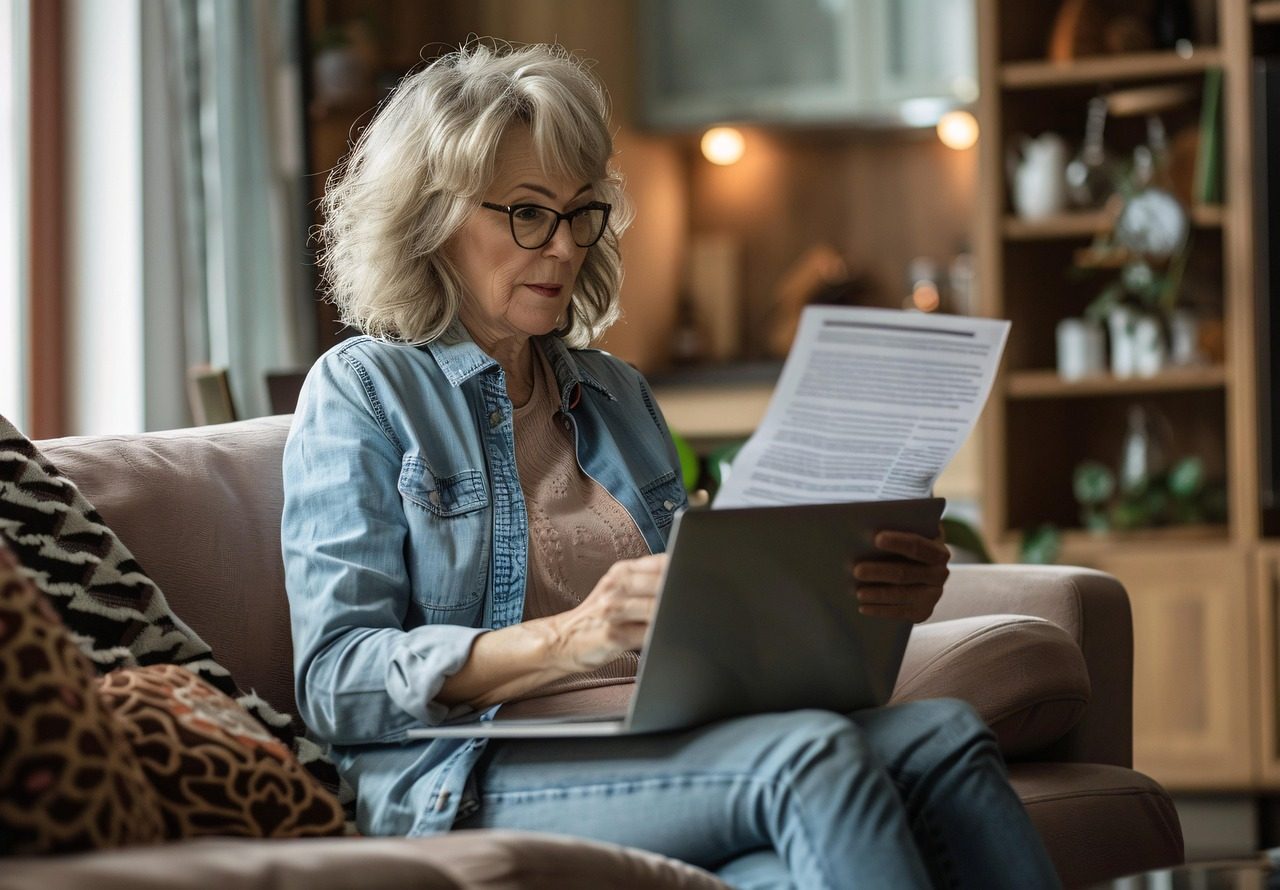
woman, senior, living room, elderly, documents, reading, home, comfortable, concentration, paperwork, sitting, glasses, indoors, lifestyle, mature, thoughtful, analyzing, reviewing, finance, serious, calm, residential, planning, testament
Today’s older people have many choices about where and how to spend their later years. Family members need to discuss these options before a moment of crisis occurs.


“I’m never leaving this house.” Or, in the case of my mother, a woman determined never to leave her house. “I don’t care if you come in and step over my dead body.” Unfortunately, she had so many health problems that paid home health care became a necessity. She resisted that, too.

Most adult “children” of aging parents have had some kind of conversation about what happens when a parent obviously needs more help. Often, these attempts at dialogue are met with resistance. And it’s understandable. A home is not just walls and rooms, It’s decades of memory, independence, and identity. The desire to stay is real and deserves to be taken seriously.

But “I’m never leaving” is not a plan. It’s a wish. And wishes collide with the realities of aging. Health changes, mobility limits, cognitive shifts, the rising cost of in-home care can leave families scrambling to make urgent decisions under the worst possible conditions. The goal of this post is not to argue that you should move or that you should get your parents to move. It’s to argue that you should plan for the future now, while you have the luxury of time and choice.

The Real Costs of Staying Home

Aging in place—staying in your own home as you grow older—is a legitimate and meaningful choice for many people. With the right support it can work well. But it’s important to look honestly at what that support actually costs. I’m not just talking about money. There are hidden costs. Do family members live nearby? Is the family large or small? Is there a way to divide the caregiving workload fairly? Are all potential caregivers equally skilled at handling physical caregiving tasks?

And logistics matter, too. Do caregivers live ten minutes from the aging parent’s home, or does getting there require a five hour drive? How about a plane ride?

And what about the emotional and financial toll on the family caregiver? Caring for an aging or frail parent often interrupts a caregiver’s career, endangering their own retirement options. Long-term caregiving that drags on for years takes a toll on the family members who provide it.

Ninety Percent of Older Americans Want to Stay in Their Own Homes

There is a lot of talk about the benefits of aging in place. If that’s really where an aging parent comes down, then it makes sense to check out what kinds of services can support that decision. Getting these kinds of support services in place early will reduce the amount of stress on family caregivers.

On the local level, there are many groups that offer friendship, community, and support. Boston’s Friendship Works is a volunteer group that’s been around for thirty-five years. It connects volunteers with aging elders. A similar organization is Boston Village. In California’s San Francisco Bay Area, organizations like San Francisco Village or Ashby Village offer members vetted volunteers, discounted services, and community events. On the national level, Habitat for Humanity, a charity much beloved by former President Jimmy Carter, has programs that support those who need help maintaining their homes. Also, nationally, the National Council on Aging, an oldie but goodie, provides a wealth of information about dealing with Medicare and about avoiding online scams.

One of the best places to combat the loneliness that comes with aging is the Village to Village Network. This is a nationwide movement that supports local groups formed to meet the needs of older people. Also, every state has a designated agency responsible for older Americans. However, their names and structures vary. While some operate as standalone Departments on Aging, others function as commissions, boards, or divisions within broader Health and Human Services departments. The point is, every state receives federal funding under the Older Americans Act to manage these services. No matter where you live, you can connect with your state’s unit and with local Area Agencies on Aging.

  • National Contact: Call the federal Eldercare Locator at 1-800-677-1116 to reach your local office.
  • State Directory: View the national State Units on Aging directory for direct links to your specific state’s official services.

To support parents who insist on remaining in their own homes, it would be a good idea to connect with local groups early. Establishing these connections can be a great boon for both aging parents and caregivers. At some point, however, volunteer help may not be enough.

What Are the Options for Paid In-Home Care?

Around-the-clock in-home care is expensive. Depending on where you live, a home health aide costs anywhere from $25 to $40 per hour. At 24-hour coverage, that’s roughly $18,000 to $29,000 per month—more than most assisted living facilities and approaching the cost of skilled nursing care. Many families try to cobble together a combination of paid help and family coverage. That brings its own set of complications.

Yes, family members can step in to fill the gaps. They can take shifts, manage medications, and field calls from paid caregivers who don’t show up. However, the burden falls unevenly and compounds over time. Adult children who live nearby end up carrying more of the burden than those who live far away. Spouses or partners of adult children get pulled into care arrangements they didn’t sign up for. I’m talking about physical care. Changing diapers. Giving showers. Waking up in the middle of the night and rushing over to the parent’s house. The emotional weight of overseeing a parent’s daily care while managing one’s own life is significant. The longer this goes on, the more unsustainable it becomes. Most employers do not show much flexibility when it comes to extended family leave.

There is also the question of isolation. An older adult who can no longer drive is essentially homebound. They can’t drive to senior centers or visit friends. When it comes to aging, social connection is not a luxury. Strong social connections protect an aging person’s health. Isolation, on the other hand, has the opposite effect.

Research consistently links social isolation in older adults to increased risk of cognitive decline, depression, and even early death. A community designed for older Americans, by contrast, puts neighbors, activities, dining, and transportation within easy reach.

The Case for Exploring Options Early

Here is something that surprises many families. The most desirable retirement communities often have waiting lists. Many require applicants to pass a physical and cognitive screening at the time of application. If you wait until a health crisis—a fall, a stroke, a dementia diagnosis—you may find that you no longer qualify for the communities you would have chosen. (As I undertook the task of finding a senior living community a year and a half ago, I discovered that waiting lists could be as much as five years.)

Exploring your options while you are healthy and have time to be selective is not the same as deciding to move. It’s reconnaissance. You can tour communities, ask questions, get a feel for what appeals to you and what doesn’t, and put your name on a waiting list. (This generally requires a refundable deposit of $1,000 or so.) You can also put your name on more than one community’s list. Hedge your bets.

Look for a place you like. Finding one doesn’t commit you to moving. Many people who do this discover that the communities they visit are far more appealing than they expected. But, again, it’s worth shopping early. I took a small apartment in a retirement community that had the option to “move in and move up.” (I moved into a 1300-square-foot apartment and, within a year, moved up to a 1350 foot duplex.) Not all retirement communities offer the move up option. Most do have a wait list, however, and while you’re waiting, you can tackle the downsizing.

What Family Caregivers Can Do

Conversations about whether to move or not move are also easier when it’s not an emergency. A family discussion about housing options that happens over Sunday dinner, with everyone calm and the person at the center of it fully engaged, is a very different conversation from one that happens in a hospital waiting room after a fall.

If you’re a family member reading this alongside a parent or older loved one who is resistant to the conversation, a few things may help.

Lead with curiosity, not conclusions. “I’d love to understand what matters most to you about staying home” opens a conversation. “You really need to think about moving” closes one. The goal is to understand what your loved one is actually protecting—independence, familiarity, community, control. Look together at whether those things can be found elsewhere.

Offer to tour together. Many older Americans who are resistant to the idea of living in a retirement community have an outdated mental image of what such a community looks like. They may be picturing nursing home from decades past, institutional and depressing. Modern independent and assisted living communities are often genuinely attractive places. Seeing one in person changes the conversation.

Name the burden honestly, but without blame. It is appropriate to say, gently and once, that the current arrangement is not sustainable. Share your concerns with your aging parent.  Use “I messages.” I am worried, I am stretched to the limit, and I want to find a solution that works for everyone.

Framing the moving option as a shared problem rather than a failing on anyone’s part makes it easier to hear.

A Range of Options Worth Knowing

Communities for older people are not all alike. Fortunately, there are many options ranging from independent living communities—essentially maintenance-free apartments with amenities and social programming—to assisted living, memory care, continuing care retirement communities that offer multiple levels in one place, and skilled nursing facilities for those who need full medical support. There are also affordable options for older people on fixed or limited incomes. These are far more available than most people realize.

This blog is exploring each of these options in depth in a series of posts. Whether you’re researching for yourself or helping a loved one think through the options, the goal is the same: to make an informed decision from a place of choice rather than crisis. The next post in the series looks at independent living communities—what they offer, who they’re right for, and what to look for when you tour.


Stress-Free Senior Caregiving: 4 Tips to Make the Job Easier

January 4, 2020 by Karen Weeks

It can be difficult to watch your parents and other family members get older. As seniors age, they tend to lose some of their abilities to properly care for themselves, and family caregivers often need to step in to provide extra support.

Providing support can be tricky when you live far away. However, you can use these four caregiving tips to provide adequate senior care, even when you’re a plane flight away.

Fragile seniors have a host of needs from physical to psychological. Providing support from a distance takes forethought, but the rewards are great. Photo Credit: Raw Pixel

Invest in Home Safety to Prevent Senior Injuries

As a family caregiver, ensuring senior safety at home should be a top priority. Seniors who plan to age in place can be more prone to household accidents, such as falls. To keep your senior loved one from being injured in a fall, help him/her make a few simple but effective aging in place changes around the home.

Adding grab bars throughout bathrooms, installing ramps around stairs, and eliminating clutter from floors are changes to consider, and these measures can ensure your loved one’s safety at home. Seniors can also be at risk for burns, so have water heaters checked and adjusted to a lower temperature. Think of ways to simplify food prep and cooking, which can help prevent fires and carbon monoxide poisoning. Since accidents can still occur, it’s also important that your loved one keep a first-aid kit and fire extinguisher on hand.

Research Home Security to Protect Solitary Seniors

Keeping seniors safe from outside threats can also help give long-distance family caregivers some peace of mind. One of the most comprehensive steps you can take to ensure that your aging loved one is protected from break-ins and other dangers is to invest in home security. There are countless options to choose from when it comes to modern home security systems, so be sure to do your homework.

Look for features and prices that will fit your long-distance caregiving needs. Some systems may come with mobile monitoring capabilities, which can be beneficial for keeping an eye on a senior who is living alone. You can also check into medical alert options. These detect falls and other household accidents and alert local emergency services so that your loved one will always be connected to lifesaving care. 

Make Senior Mental Health Management a Priority

Adequate mental health services are also crucial for seniors who are aging in place and who live far from family caregivers. Thankfully, seniors who are enrolled in Medicare Part B have access to mental health care benefits. Medicare Part B makes seeking out help from a counselor or using psychiatric health services less of a financial burden.

Under Medicare Part B, seniors are also entitled to an annual depression screening from their primary healthcare provider. This screening can help combat the epidemic of loneliness that affects seniors who live alone.

Seniors who feel isolated and alone are more prone to feelings of depression, as well as other mental and physical health issues. So encourage your loved one to use these mental health services, but also look for ways to keep him/her connected. A visit from a Meals on Wheels provider is one way to prevent isolation and depression.

Keep Seniors Healthy with Accessible Health Care

The right Medicare plan can also help you stay in control of your senior loved one’s physical health and wellness. With so many Medicare resources available online, this is something you can easily do on your laptop or phone. Use a phone call or video chat session to discuss Medicare plans with your senior family member.

With a comprehensive and complete Medicare plan in place, you can help your aging loved one keep up with regular screenings and appointments. You may also need to arrange affordable transportation for your loved one. You can do so from afar by looking into local options for rideshare services, public transportation, and medical center shuttle services.

You can’t always live close to your senior loved ones, but that doesn’t mean you can’t provide compassionate care from afar. With a few preventative measures and simple strategies, you can still ensure that your aging family members feel loved, protected, and free from worry. Best of all, you can feel more at peace with being a long-distance senior caregiver.

For more about specific technologies that can help you manage long distance caregiving, read this post. https://maryleemacdonald.org/tech-tips-for-helping-seniors-from-a-distance/

Benefits of Aging in Place

December 20, 2019 by Max Gottlieb

As seniors age, they and their families are faced with the difficult question of how to provide the best care. The necessary level of care depends on the situation, but aging in place is becoming more feasible due to a combination of factors. There are constant medical advancements, people are living healthier lifestyles, and people are retiring later, leaving them financially able to make the choice. Sometimes all it takes to age in place is finding a caregiver you can trust.

woodworker in home shop
Seniors with professional skills, such as this furniture restorer, will be much more content if they can remain in close proximity to their tools.

Familiarity

The most obvious benefit of aging in place is familiarity with one’s surroundings. Familiarity may not seem like a big deal, but aging in a familiar place can alleviate depression and disorientation that sometimes occurs in assisted living communities. Also, if you have the means for you or a loved one to age in place, you can avoid the dreaded argument that frequently occurs when parents are too stubborn to leave their home. It removes the tension that occurs when older people think moving them is a sign of pushing them away.

Keeping a Routine

Studies show that people remain healthy, both physically and emotionally, by keeping with a routine. A routine can be anything from housekeeping to yard work or simply seeing neighbors and cooking. These are all forms of physical and mental exercise that patients do not receive in institutional settings. Doing small things to keep active can help reduce what is known as aging atrophy, eventually leading to a complete dependence on others. This is not to say that it’s harmful to depend on others for certain activities of daily living. Oftentimes, a loved one or a professional caregiver can help someone maintain a healthy routine.

Safety and Health

By aging in place, seniors can control their environments. They are not forced to acclimate to an environment controlled by others. The house can be as clean as they like and they are able to decide which visitors they want to see. At facilities, residents are forced to see health care professionals, other residents, and the families of other residents. Also, a major fear, when living in close quarters with other people, is the spreading of sickness or disease and this is alleviated by remaining independent.

What Kinds of Resources Are Available?

As mentioned, sometimes people need caregivers to age in place. Caregivers are able to offer a variety of services, including: homemaking, personal care, meal preparation, and medication management just to name a few. If bathing or maintaining personal hygiene becomes troublesome, a part time caregiver can help. Or perhaps housework, laundry, or grocery shopping have become problem areas. Some grocery and drugstores offer delivery services, but if not, a caregiver can help with these things as well. Depending upon the type of services needed, there are different types of caregivers available with different job titles.

If a caregiver is needed and a loved one cannot step into that role, it is best to talk to an agency or a care manager. A care manager is trained to plan, organize, monitor, and deliver services to an elderly person. They can be immensely useful. Likewise, it could be useful to look into wearing a PERS device or medical alert. Aging can be a time of navigating new terrain, but aging in place can hopefully eliminate some pressure.

Helping Seniors Maintain Their Independence

September 13, 2018 by Lydia Chan

When someone you love lives far away, it can be frustrating to try and help them from afar. Seniors, especially, often need assistance with household chores or staying mobile. They may not have a relative who lives close enough to help out. Not only can this add to their stress and anxiety, it can lead to accidents, falls, and injuries. That’s especially the case when they attempt to take care of everything themselves. In fact, falls are one of the most common causes of injury for seniors. In some cases those injuries can be life-threatening.

hand
Caregivers, even ones living at a distance, can set up support services to help seniors maintain their independence. Photo via Pixabay by BeeJees

Fortunately, there are several things you can do to help your senior loved one, even if you live in a different state. You can hire help to come and take care of chores (like cutting the grass or cleaning). And, you can teach your loved one how to use apps that will make their life easier. A side benefit is that apps can connect the two of you, thereby lessening your worry.

Keep reading for more info on how to get started.

Find the Right Apps

There are tons of apps available that are specifically made for seniors. Whether your loved one needs help remembering when to take medication or where they parked the car, or you just want to be able to see each other when you’re talking on the phone, there are a lot of great options out there. The key is to help your loved one find the right ones for their needs and make sure they’re internet-savvy enough to understand them. For more on apps read this article.

Hire Some Help

One of the most dangerous and overlooked jobs a senior has is taking care of the lawn, yet many seniors take pride in the way their yard looks and want it to be well cared for. One way around this is to hire someone local to come over and help out so they don’t have to spend time in the heat or use heavy, dangerous machinery. The cost of this service varies across the country; go here to find out the national average and to look up price ranges in your loved one’s area.

Help Them Find a Ride

Many seniors find that after a certain age, they don’t feel comfortable driving themselves, either because of vision problems or because their motor skills aren’t what they used to be. You can help out by looking for a senior ride service–many senior homes and hospitals offer them–in their area that will provide a safe ride to the doctor or grocery store.

Make Sure Their Home Is Safe

Many seniors struggle with home safety after their mobility has been compromised by an illness or injury. If seniors have been hospitalized, you can often ask for an occupational therapist to evaluate the home’s safety. An occupational therapist might recommend tossing the throw rugs, reducing clutter, or rearranging furniture. These measures can be especially helpful if a hospital stay has made your loved one more fragile than they were previously.

An occupational therapist may also recommend that you hire someone to install grab bars in the shower. Make sure you buy non-slip rubber mats for the bathroom and kitchen. These are the areas that most seniors fall most often.

You can also have a home security system installed that transmits a live feed to your smartphone. That way you can keep an eye on things even when you’re far away.

Helping your senior loved one from out-of-state doesn’t have to be stressful. With some good planning and a little research, you can ensure that the senior in your life is happy, healthy, and safe. Use technology to your advantage as much as possible and help your loved one become comfortable using it as well.

Next Page »

Book title plus a snowy scene showing a mother and daughter walking up a hill in Vermont
If you like literary fiction where even the characters’ best intentions may not be enough to bridge the gap between them, you’ll love Montpelier Tomorrow.

Recent Blog Posts

  • To Move or Not to Move: The Question Worth Asking Before a Crisis Answers It for You July 5, 2026
  • Letting Go: How to Clear Out Your Home After You’ve Decided What’s Coming With You June 23, 2026
  • What Actually Fits: A Room-by-Room Guide to Downsizing into a Senior Apartment June 9, 2026
  • How to Balance Work, Life, and Senior Care Without Losing Yourself June 2, 2026
  • How to Actually Take Care of Yourself When You’re Too Busy Taking Care of Everyone Else May 6, 2026
  • Avoiding Burnout: Support for New Caregivers February 13, 2025

Featured Books

God’s Gift Within: The Story of the Joshua Quilt

God’s Gift Within: The Story of the Joshua Quilt
Buy This Book Online
Buy from IndieBound
Buy from Barnes and Noble
Buy from Amazon Kindle
Buy from Amazon
God’s Gift Within: The Story of the Joshua Quilt
Buy now!

A Chance to Say Goodbye: Reflections on Losing a Parent

A Chance to Say Goodbye: Reflections on Losing a Parent
Buy This Book Online
Buy from Barnes and Noble Nook
Buy from Barnes and Noble
Buy from Amazon Kindle
Buy from Amazon
A Chance to Say Goodbye: Reflections on Losing a Parent
Buy now!

The Space Between: A Memoir of Mother-Daughter Love at the End of Life

The Space Between: A Memoir of Mother-Daughter Love at the End of Life
Buy This Book Online
Buy from Barnes and Noble
Buy from Amazon Kindle
Buy from Amazon
The Space Between: A Memoir of Mother-Daughter Love at the End of Life
Buy now!

Bonds of Love and Blood

Bonds of Love and Blood
Buy This Book Online
Buy from IndieBound
Buy from Amazon Kindle
Buy from Amazon
Buy from Barnes and Noble Nook
Buy from Barnes and Noble
Buy from IndieBound
Bonds of Love and Blood
Buy now!

Archives

© Marylee MacDonald | All Rights Reserved.
Manage Cookie Consent
To provide the best experiences, we use technologies like cookies to store and/or access device information. Consenting to these technologies will allow us to process data such as browsing behavior or unique IDs on this site. Not consenting or withdrawing consent, may adversely affect certain features and functions.
Functional Always active
The technical storage or access is strictly necessary for the legitimate purpose of enabling the use of a specific service explicitly requested by the subscriber or user, or for the sole purpose of carrying out the transmission of a communication over an electronic communications network.
Preferences
The technical storage or access is necessary for the legitimate purpose of storing preferences that are not requested by the subscriber or user.
Statistics
The technical storage or access that is used exclusively for statistical purposes. The technical storage or access that is used exclusively for anonymous statistical purposes. Without a subpoena, voluntary compliance on the part of your Internet Service Provider, or additional records from a third party, information stored or retrieved for this purpose alone cannot usually be used to identify you.
Marketing
The technical storage or access is required to create user profiles to send advertising, or to track the user on a website or across several websites for similar marketing purposes.
  • Manage options
  • Manage services
  • Manage {vendor_count} vendors
  • Read more about these purposes
View preferences
  • {title}
  • {title}
  • {title}